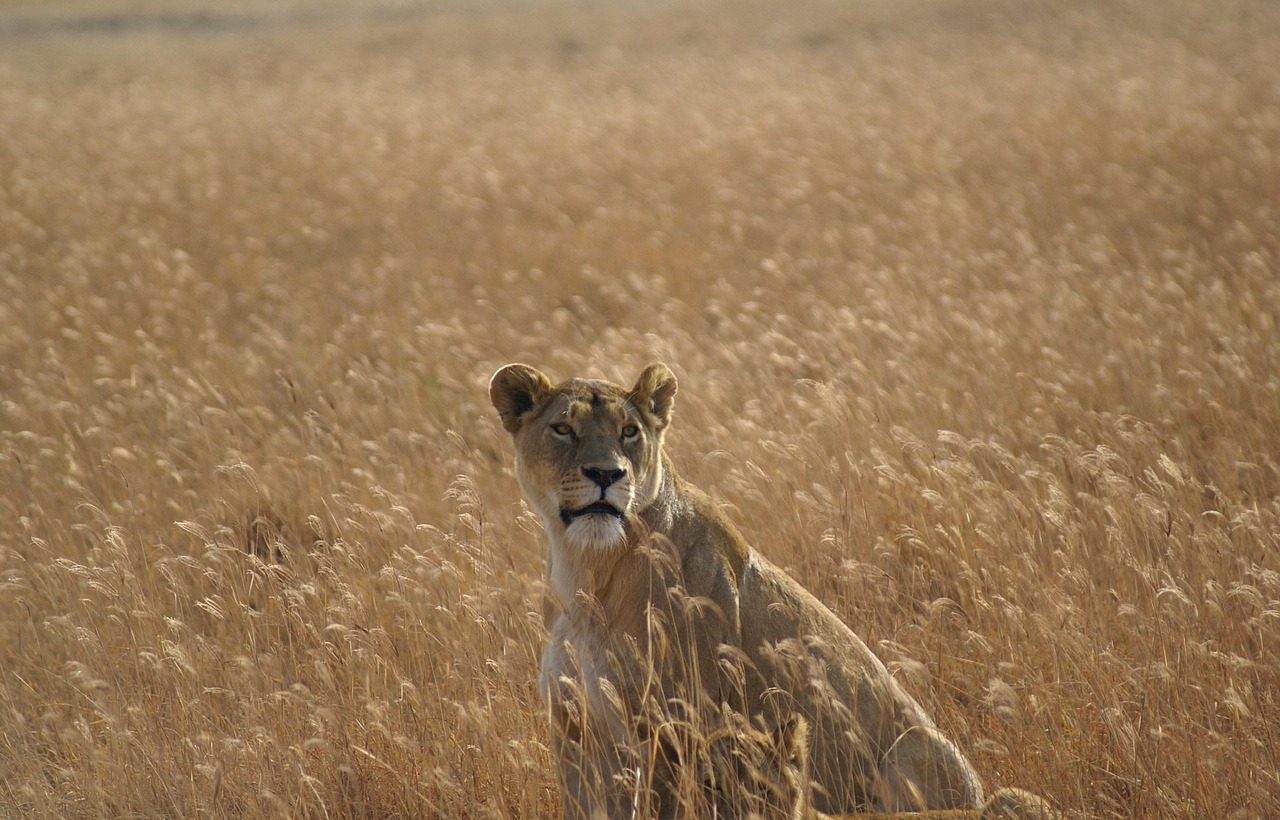

Animals in Africa: A Living Mosaic
From snow-dusted mountains to flooded deltas and sun-baked deserts, Africa holds some of the planet’s most dramatic wildlife stories. Its animals are not just famous; they are varied, highly adapted, and deeply tied to seasonal rhythms that shape where they live, how they move, and what they eat.
This article explains what makes animals in Africa so diverse, how ecosystems and migrations work in practice, and why conservation today focuses as much on people and land use as it does on protecting individual species.
Habitats That Shape Wildlife
Africa’s wildlife diversity begins with geography. The continent spans multiple climate zones, and each zone creates different opportunities and limits: grassy savannas for grazers, dense forests for fruit-eaters and climbers, deserts for heat specialists, and wetlands for fish-eaters and amphibious predators. These habitats often sit side by side, which is why one country can host very different communities of animals in a relatively small area.
The savanna is the iconic stage for many well-known species because it supports large herds. Grasses convert sunlight into bulk food, and grazers such as wildebeest, zebra, and various antelope species can turn that grass into muscle quickly. Predators follow the herds, so open plains tend to concentrate visible wildlife and make ecological relationships easier to observe.
Forests tell a different story. In the Congo Basin, for example, thick vegetation favors animals that navigate vertically, feed on fruit and leaves, and rely on sound and scent more than long-distance vision. Many forest species are harder to spot, but the biomass can be immense, with complex food webs that include insects, primates, and specialized birds. Deserts and semi-arid regions add another layer: animals survive by avoiding midday heat, conserving water, and using burrows or nocturnal habits to reduce stress.
Adaptations and Everyday Survival
The defining feature of many animals in Africa is adaptation to extremes: heat, drought, long migrations, and intense predation. Survival is often about efficiency. Some herbivores can travel long distances between grazing and water. Some predators have evolved cooperative strategies, while others rely on stealth and explosive speed to catch prey in open terrain.
Consider elephants, which are both ecosystem engineers and highly social. Their size allows them to reach food sources unavailable to smaller animals, and their feeding can open pathways, create clearings, and even influence where other species forage. At the same time, elephants depend on water and can reshape riverbanks and watering holes through repeated use. Their movements often track seasonal changes, showing how even the largest animals remain tied to rainfall patterns.
Predators illustrate contrasting strategies. Lions often hunt in groups, using teamwork to tackle large prey and defend kills. Leopards tend to be solitary and adaptable, able to survive in a wide range of habitats by switching prey and avoiding direct competition. Cheetahs, built for speed, must balance rapid chases with high energy costs and vulnerability to larger predators at a kill. These differences are not just interesting behavior; they are ecological roles that influence prey numbers, herd behavior, and even vegetation through cascading effects.
Migrations, Human Pressures, and Conservation
One of the most striking dynamics among animals in Africa is migration. In some savanna systems, seasonal rains create a moving patchwork of fresh grass and water. Large herbivores track those changes, sometimes traveling hundreds of kilometers in a year. Migrations can involve millions of animals across broad landscapes, and they are as much about timing as distance: arriving too early can mean empty plains; arriving too late can mean depleted grazing or higher predation risk.
These movements depend on connected habitat. When land is fragmented by fences, roads, intensive agriculture, or expanding settlements, migration routes can narrow or break. The result may be fewer animals, more conflict at farms, and increased pressure on remaining watering points. In many regions, conservation is therefore shifting from protecting isolated “islands” of wildlife to maintaining corridors and multi-use landscapes where people and wildlife can coexist with fewer losses.
Modern conservation also addresses economics and local governance. Wildlife tourism can fund rangers, research, and community projects, but it can also be unevenly distributed if local communities do not see benefits. Where communities gain income from conservancies, sustainable hunting quotas, or tourism partnerships, tolerance for wildlife often increases. The most effective approaches tend to combine law enforcement against illegal killing with incentives that make living near wildlife safer and more rewarding, such as improved livestock protection, compensation schemes, and rapid response teams for problem animals.
Conclusion
Animals in Africa thrive through a blend of habitat diversity, remarkable adaptations, and large-scale movements shaped by rain and grass. Their future depends not only on parks and species protection, but also on keeping landscapes connected and ensuring that people who share space with wildlife benefit from conserving it.
FAQ
Q: Why are African savannas so rich in large animals?
Savannas produce abundant grass over wide areas, which supports large herds of grazers; those herds, in turn, support predators and scavengers. Open terrain also allows animals to travel efficiently between feeding and water, enabling large body sizes and complex herd behavior.
Q: Are forests less important for wildlife than savannas?
No. Forests can hold very high biodiversity, including primates, forest elephants, and countless insect and bird species. Forest animals are often less visible, but their ecosystems are crucial for carbon storage, rainfall patterns, and regional ecological stability.
Q: What is the biggest threat to wildlife today?
Threats vary by region, but habitat loss and fragmentation are often the most widespread pressures, frequently interacting with illegal hunting and climate stress. Protecting connected landscapes and supporting community-based solutions are key to long-term success.